top of page
Natural wood veneer manufacturer, Hiroshima Meiboku Sangyo

取扱樹種・使用基材

Handled Tree Species
Our company places particular emphasis on both flat-sawn and quarter-sawn grain patterns, offering a wide range of premium veneer options.This ensures maximum design flexibility.
Below is a list of the wood species we commonly offer.

Japanese Oak Flat

Japanese Oak Straight

White Oak Flat

White Oak Straight

Teak Flat

Teak Straight

Walnut Flat

Walnut Straight
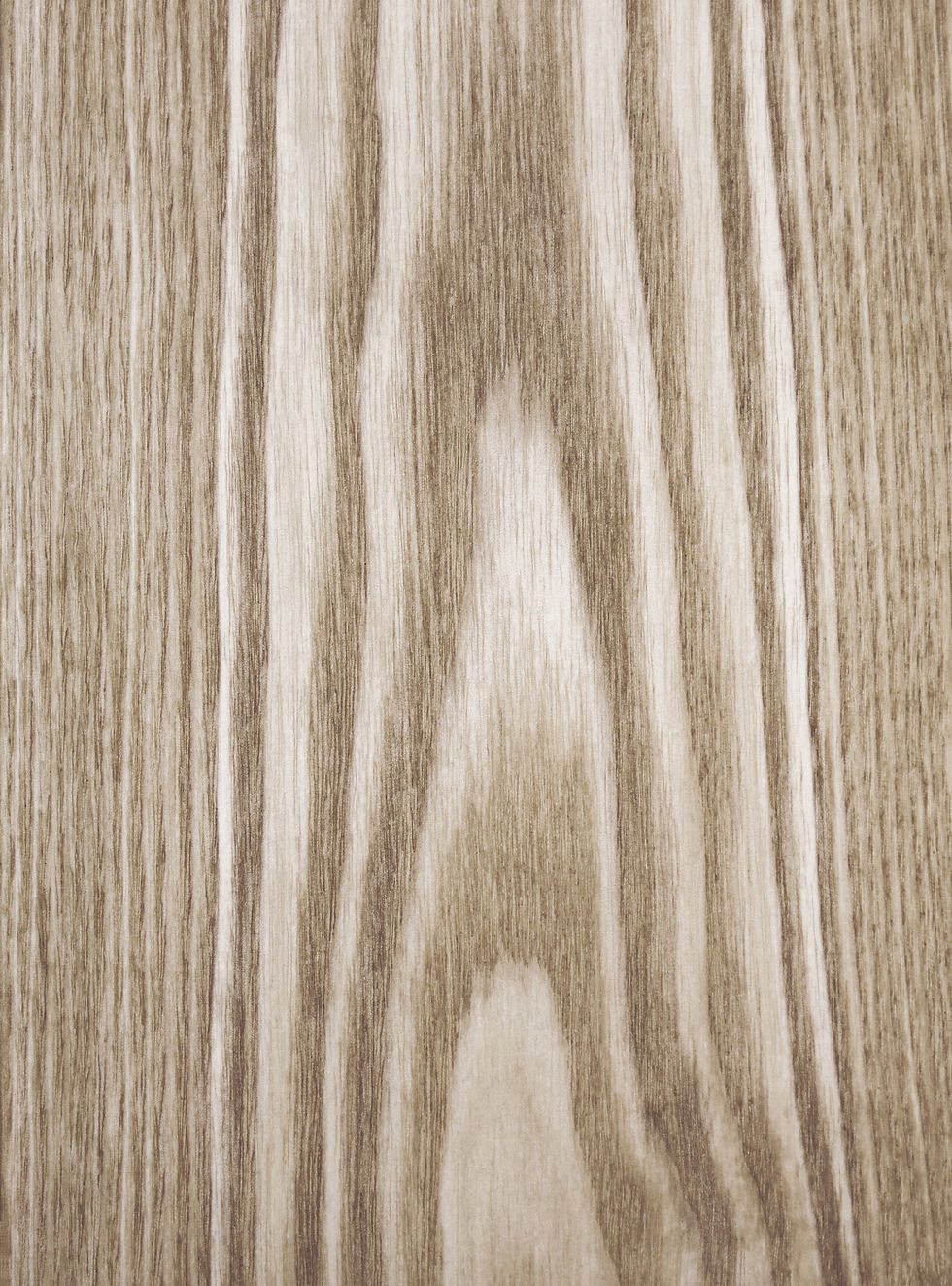
Tamo (Japanese Ash) Flat

Tamo (Japanese Ash) Straight

White Ash Flat

White Ash Straight

Zebrawood Straight

Sapele Straight

Cedar Flat

Cedar Straight

Hard Maple Flat

Red Gum Straight

Wenge Straight

Paldao Straight
We handle many other species as well.
Please feel free to contact us for custom selections or rare materials.
Characteristics of Wood Veneer
Natural wood veneers showcase the unique character and diverse features of each species.
Every sheet reflects the individuality of the original tree.

Cracks – Natural splits that may occur during drying or slicing.

Pinholes – Small holes from natural growth or insects.

Wormholes – Evidence of past insect activity.

Discoloration – Natural changes in wood color due to sunlight or age.

Snippets – Small chips or broken areas.

Burn Marks – Caused during slicing or pressing.

Cuts – Thin slicing scars or marks.

Mineral Streaks – Naturally occurring dark streaks caused by mineral deposits.

Scratches – Surface abrasions during processing.

Ibari – Tension-related warping or bending in the veneer.

Open Winter Grain – Visible rings due to slower winter growth.

Leaf Nodes – Natural nodes from where leaves grew.

Pebbles (Calcareous Material) – Inclusions of natural mineral matter.

Shirata (Sapwood) – The lighter outer area of the log.

Grass Worm Traces – Traces of small grass-feeding insects.
These natural features are not flaws, but rather an essential part of the charm and character of real wood veneer.
bottom of page